

Food & Nature Solutions
Carbon dioxide levels in the atmosphere are now around 50% higher than pre-industrial levels, underscoring the urgency to decarbonize. Nature-based solutions (NBS) are an important pathway, as it is a cost-effective emissions reductions solution while also generating co-benefits such as biodiversity protection and improved livelihoods.
Indonesia is central to this opportunity, with globally significant forests, peatlands, mangroves, and seagrass ecosystems. It has over 92 million hectares of forest and the world’s largest mangrove area at roughly 3.3 to 3.4 million hectares, around 23% of global mangroves, alongside vast peatlands that are estimated at about 15 to 22 million hectares.
Therefore, we are looking for nature-based solutions across terrestrial and blue carbon ecosystems that conserve, restore, or improve ecosystem management, while also promoting sustainable food systems and resilient agriculture and aquaculture practices.
What we look out for in a solution:
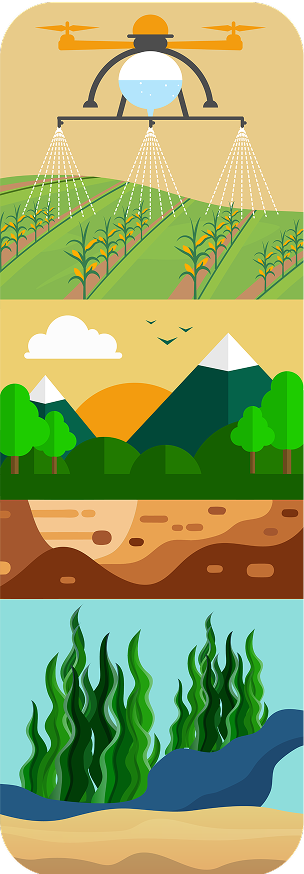
- Sustainable Agriculture: Precision farming tools, IoT sensor networks, and AI-driven platforms that drastically reduce the need for synthetic fertilizers, pesticides, and freshwater.
- Future of Food: Climate-resilient crop genetics, seed technologies, and alternative proteins (plant-based, precision fermentation, cultivated).
- Blue Economy & Smart Aquaculture: AI-driven water quality management, alternative marine feeds (to prevent wild overfishing), and offshore aquaculture engineering.
- AgriFood Supply Chain: Post-harvest loss reduction technologies, smart cold-chain infrastructure, and traceability platforms protecting farmers and artisanal fishers.
- Marine Biomass: Seaweed agronomy, automated harvesting, and marine biorefining for food, feed, or biostimulants.
- Ecosystem Restoration: Leverage nature-based solutions (NbS) for carbon sequestration, reforestation, and the restoration of peatlands and mangroves.
- Tech-enabled MRV: Measurement, Reporting, and Verification (MRV) tools using satellite imagery, eDNA, or underwater drones to accurately quantify carbon and biodiversity in forests, peatlands, and oceans.
- Regenerative Farming Platforms: Software and hardware helping smallholder farmers transition to regenerative practices and measure soil organic carbon.