From Coastal Waste to Clean Energy: Reimagining Seashell Waste as Low-Carbon Energy-Generating Infrastructure in Indonesia
June 30, 2026
Seawater-Based Electrochemical Technology for Carbon Capture and Circular Economy in Indonesia
July 2, 2026
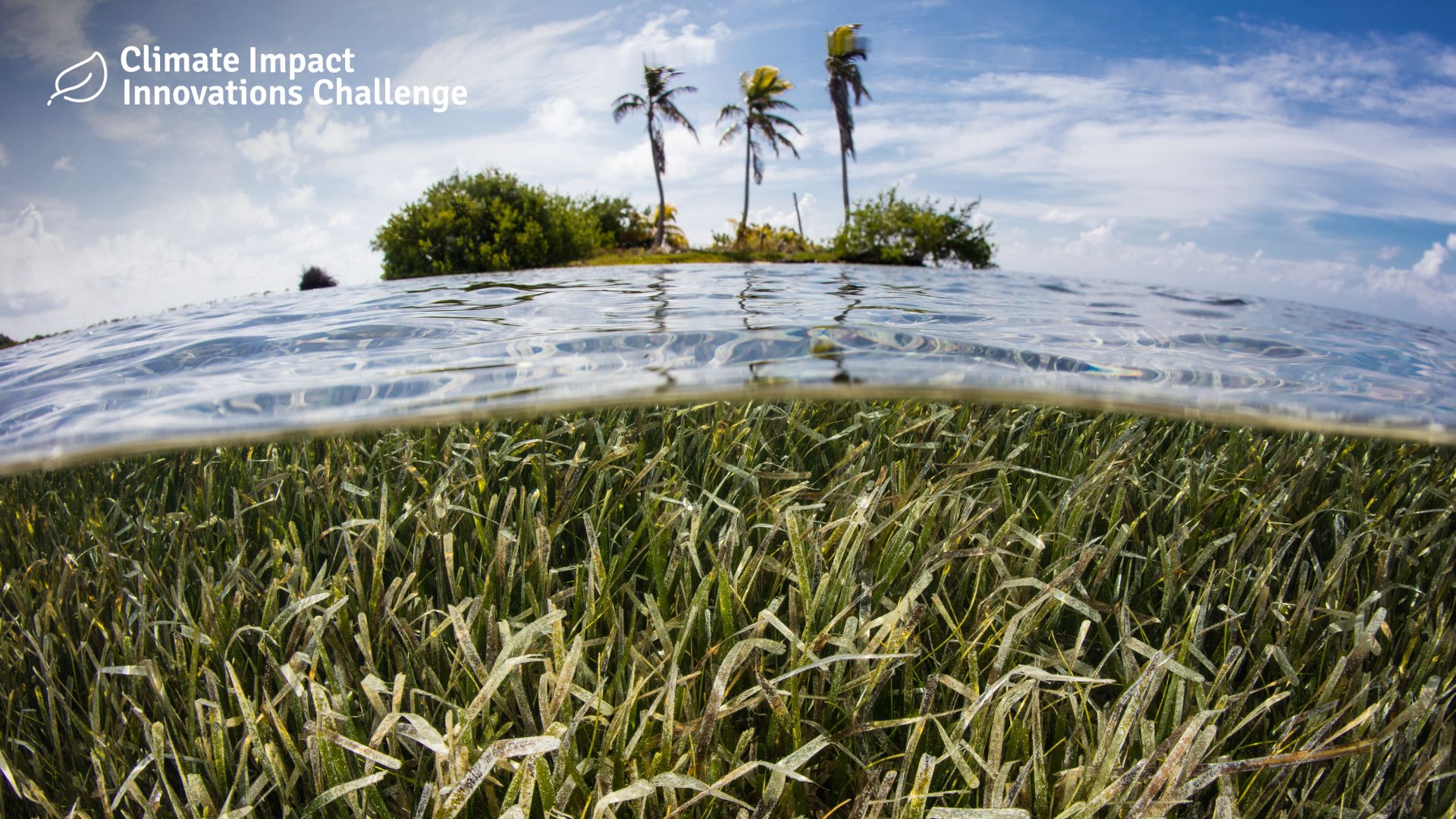
SEABLOCK-BIO: The Green Revolution in Restoring Indonesia's Seagrass Meadows
Written by Silfi Fauziah
Beneath Indonesia's blue waters lies a quietly fading ecosystem that has been protecting our planet for millennia seagrass meadows. These underwater grasslands are far more than decorative ocean floor; they serve as critical feeding grounds, nurseries, and spawning habitats for hundreds of fish, mollusks, and crustacean species that sustain the livelihoods of millions of Indonesian coastal communities. Most powerfully, seagrass is one of nature's most efficient blue carbon sinks, capable of storing carbon 3 to 5 times more effectively than terrestrial forests. In a world racing against climate change, these meadows are irreplaceable.
Yet this carbon-storing powerhouse is collapsing. Coastal reclamation, boat anchoring, uncontrolled aquaculture, and industrial pollution have devastated Indonesia's seagrass coverage at an alarming rate. Data from Bali's coastal areas paints a heartbreaking picture: of 1,288.51 hectares of seagrass meadows surveyed, only 3.66% remain in healthy condition. The rest are degraded, critically damaged, or gone entirely. The consequences stretch far beyond ecology. When seagrass dies, decades of carbon stored in marine sediments is released back into the atmosphere, accelerating global warming. Coastlines lose their natural buffer, intensifying erosion. Fish populations decline as nursery habitats disappear and with them, the income of coastal fishing communities.
Transplantation efforts have long been attempted as a rehabilitation solution, but why do they keep failing? The honest answer lies in the tools being used. Conventional methods still rely on plastic nets, iron nails, and metal frames to anchor seedlings on the seafloor. These materials ironically become new sources of contamination, leaving microplastic fragments and inorganic debris in the very ecosystem being restored. Seedlings planted directly without support structures frequently fail as their undeveloped roots are swept away by currents and waves. Even when seedlings survive initially, the lack of a stable substrate means long-term growth is inconsistent. There is simply no cheap, scalable, and truly eco-friendly transplantation tool that currently exists and that gap is exactly where SEABLOCK-BIO steps in.
SEABLOCK-BIO Seagrass Biodegradable Modular Block is a modular, fully biodegradable planting vessel engineered specifically for seagrass transplantation, developed by Marine Science students at Universitas Padjadjaran (UNPAD). Unlike any existing method, SEABLOCK-BIO is designed to solve three problems simultaneously: seedling instability, plastic pollution, and coastal waste accumulation.
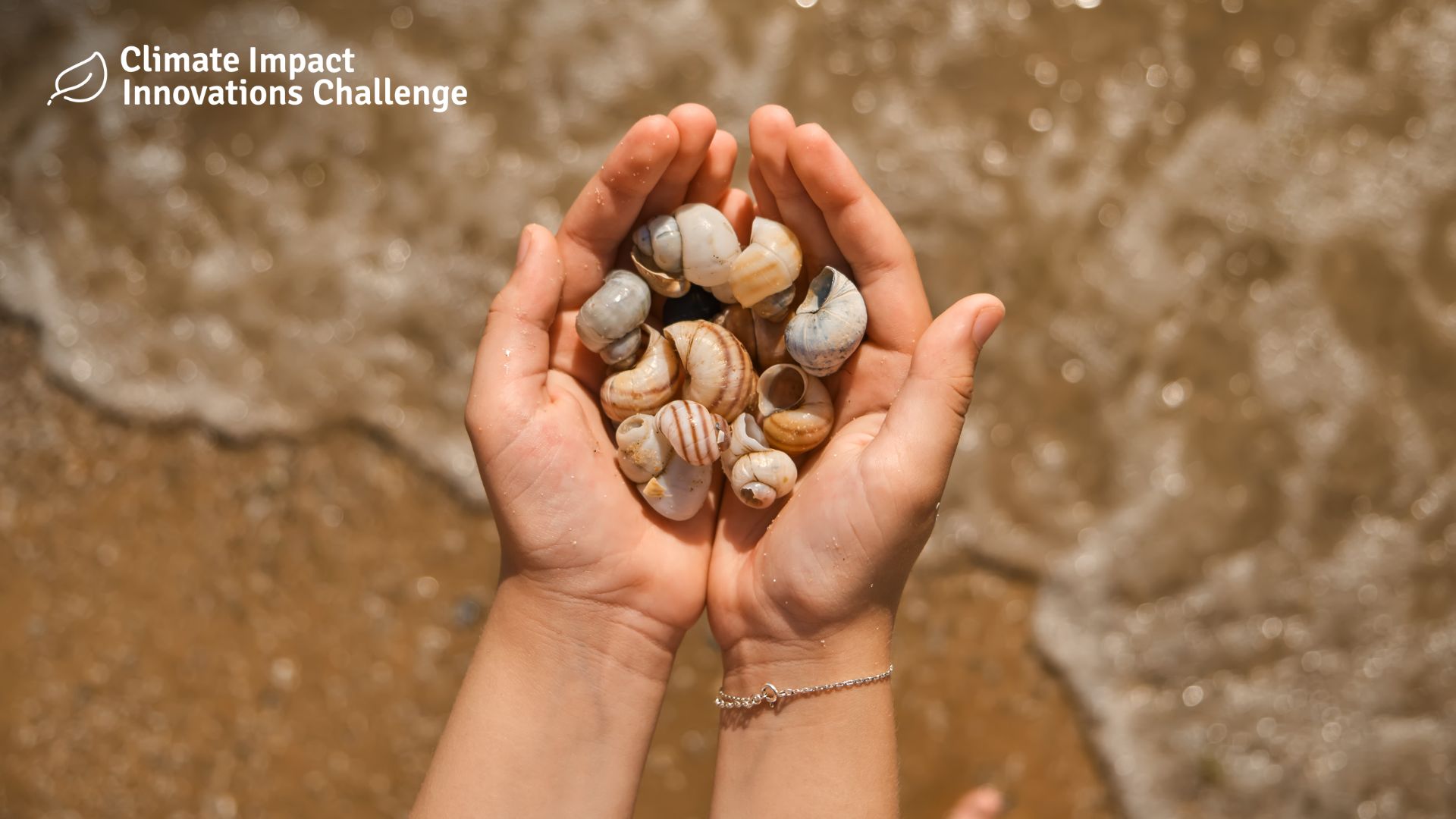
What makes SEABLOCK-BIO genuinely circular is its raw material coastal waste that would otherwise pollute shorelines. Each block is composed of four components: crushed mollusk shells (±25%), marine sediment (±35%), seaweed powder (±25%), and coconut fiber (±15%). Mollusk shells, rich in calcium carbonate, provide structural strength while mimicking the mineral composition of natural seagrass substrate. Marine sediment creates a familiar microbiome environment for seedling roots to anchor into. Seaweed's natural polysaccharides alginate and carrageenan act as a biodegradable binder that holds the block together without synthetic glue. Coconut fiber adds porosity and tensile strength, ensuring optimal water and oxygen circulation critical for root development. Coastal waste is not just a raw material here it is the solution.
The block is designed as a 10×10×10 cm interlocking cube. This modular format allows multiple units to be connected together on the seafloor, creating a stable mat-like structure that resists hydrodynamic forces from waves and currents. Unlike rigid permanent anchors used in conventional methods, the modular system allows installers including local community divers with minimal training to assemble, adjust, or replace individual units without disturbing the surrounding habitat. A single failed unit does not mean total transplantation failure. The system is adaptive by design.
Most critically, SEABLOCK-BIO is engineered to disappear at the right moment. During the early transplantation phase, the block provides firm structural support as seedling roots establish themselves. As roots gradually grip the natural substrate independently, the organic components seaweed binder and coconut fiber begin biodegrading naturally in the marine environment. No microplastics. No metal debris. No residue. Just a thriving, self-sustaining seagrass meadow. If widely adopted, the long-term impact is significant. Healthier, expanding seagrass meadows mean greater blue carbon sequestration, directly contributing to climate targets. Recovered habitats restore fish populations, stabilizing food security and income for coastal communities. And because production uses locally sourced coastal waste, the manufacturing process itself creates economic opportunities for coastal villages turning environmental liabilities into community assets.
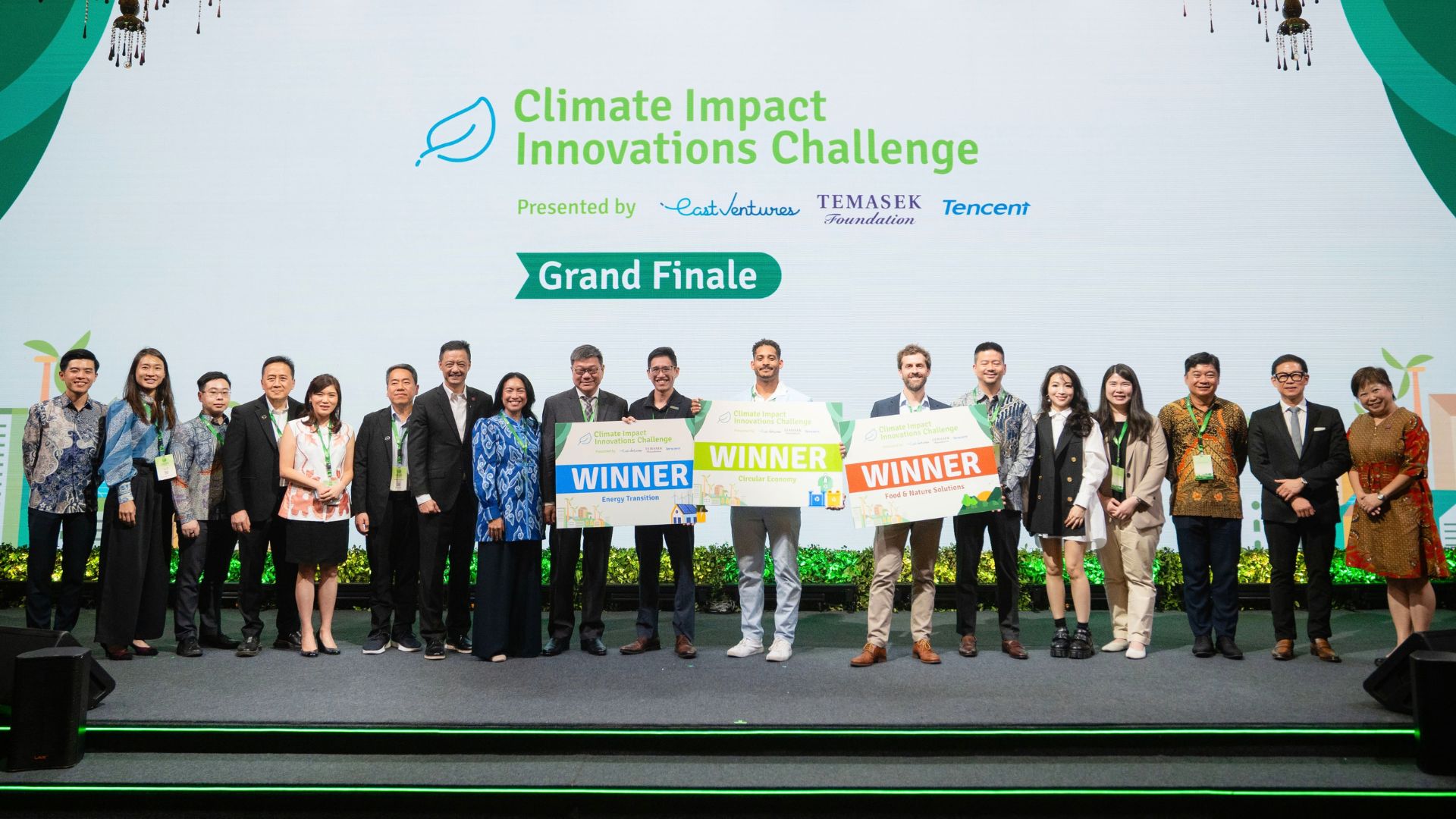
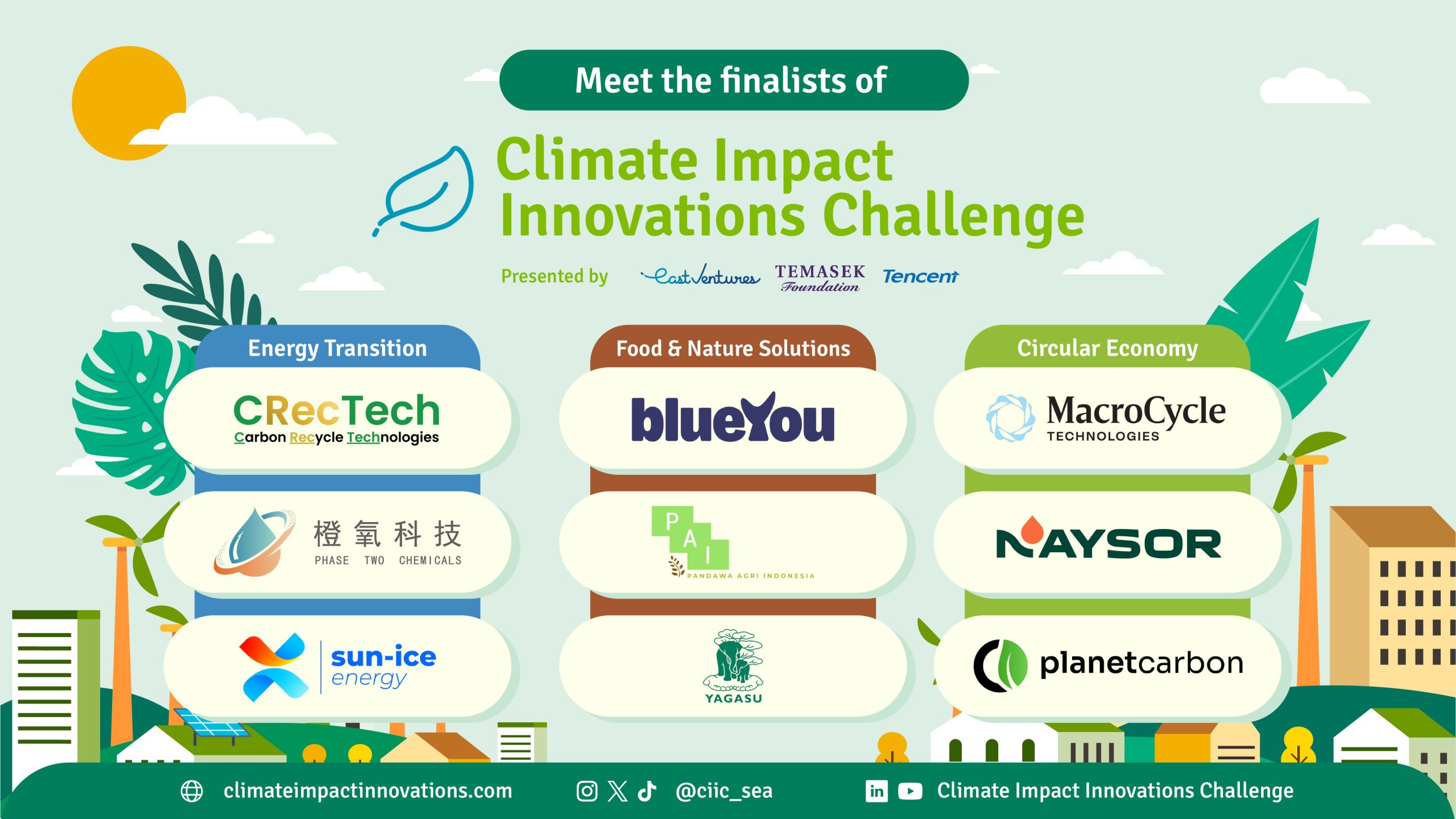
This is precisely why SEABLOCK-BIO belongs at the Climate Impact Innovations Challenge 2026 (CIIC 2026). CIIC 2026's Food & Nature Solutions track was built for innovations exactly like this solutions that restore natural ecosystems through circular, community-empowering approaches rather than synthetic materials. SEABLOCK-BIO directly addresses the intersection of climate mitigation, marine biodiversity, and coastal community resilience that CIIC 2026 champions. Through the mentorship network, visibility, and funding pathways that CIIC 2026 offers, SEABLOCK-BIO can move beyond its current prototype stage toward mass production and real-world deployment across Indonesia's most vulnerable coastlines. Indonesia cannot afford to wait. Every season of inaction means more seagrass lost, more carbon released, and more fishing communities left without a safety net. With the right support from platforms like CIIC 2026, every block placed on the seafloor becomes a small act of climate action and millions of those small acts can rebuild the underwater meadows that have been quietly protecting our planet, before it is too late.
Silfi Fauziah is the Food and Nature Solutions Track winner of the Climate Impact Innovations Challenge 2026 Article Competition.