From Our Own Soil: How the Koro Bean Could Answer Indonesia’s Nutrition Crisis
July 4, 2026
Carbon-Financed Governance Reform to Unlock the World’s Largest Geothermal Reserve in Indonesia
July 6, 2026
Repurposing EV Batteries to Eradicate Energy Poverty in Rural Schools
Written by Daffa Naufal
The Green Paradox and The Forgotten Classroom
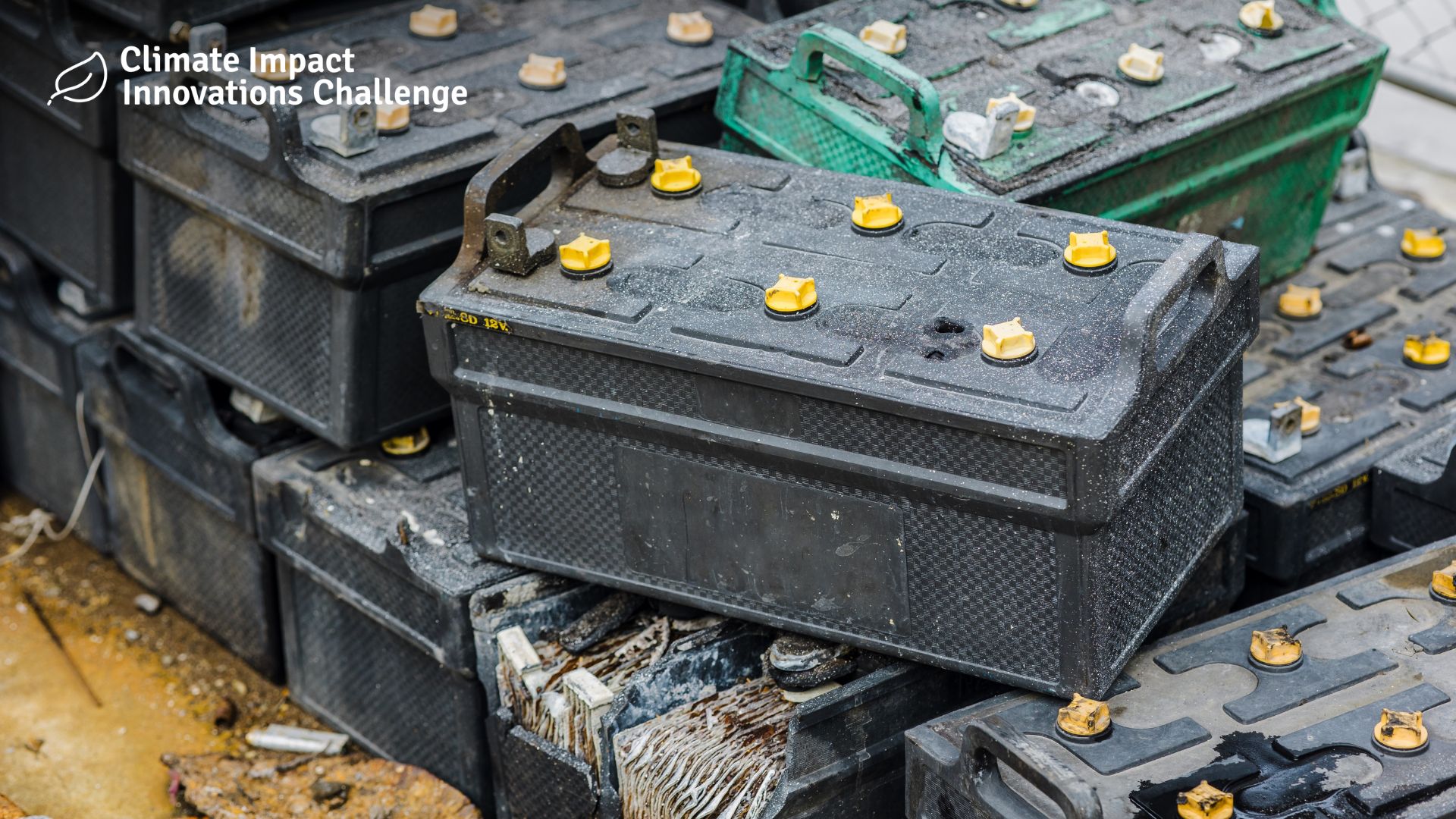
The global shift toward electric vehicles (EVs) stands as one of the most celebrated victories in the fight against climate change. Yet beneath this green triumph lies a crisis quietly taking shape. According to the International Energy Agency (IEA), approximately 1.2 million EV batteries will reach the end of their automotive lifespan by 2030, a figure projected to surge to 14 million by 2040. The World Resources Institute puts this into stark perspective: by 2040, end-of-life lithium-ion batteries will amount to roughly 20,500 kilotons, which is the equivalent of 55 Empire State Buildings worth of toxic waste. The very technology saving our atmosphere risks poisoning our soil and water. This is the green paradox no one is talking about.
Meanwhile, in rural Indonesia, a different kind of crisis plays out in silence. According to UNICEF (2024), 1 in 3 rural schools in Indonesia lacks access to electricity, forcing teachers to conduct lessons by sunlight or kerosene lamps. The situation is most severe in eastern Indonesia. The island of Sumba in East Nusa Tenggara, for instance, holds the country's lowest electrification ratio at just 92.5%, with some of its highest poverty rates (BPS, 2023). Compounding this, only 20% of village schools have internet access (Ministry of Education, 2024), creating a widening digital divide. When the government mandates the Computer-Based National Assessment (ANBK), which is Indonesia's digital-first national exam introduced in 2021, these schools are forced to rent diesel generators just to keep the lights and computers running. The cost is staggering, the emissions are unacceptable, and the irony is glaring: students are being tested on the future while their schools remain stuck in the past.
The 'Second-Life' Synergy as the Solution
The answer to both crises lies in a single, elegant principle: one problem can solve the other. The concept is called "second-life" battery repurposing, but let me rephrase: the concept is
known as second-life battery repurposing, and it begins with understanding what happens when an EV battery retires.
According to industry standards confirmed by multiple peer-reviewed studies, an EV battery is considered end-of-life for automotive use when its State of Health (SoH) drops to approximately 70-80% of its original capacity. At this point, the battery can no longer sustain the high power demands of a moving vehicle. However, as research published in Scientific Reports and ScienceDirect confirms, these retired packs still retain sufficient capacity for stationary energy storage applications, such as powering buildings, clinics, and schools.
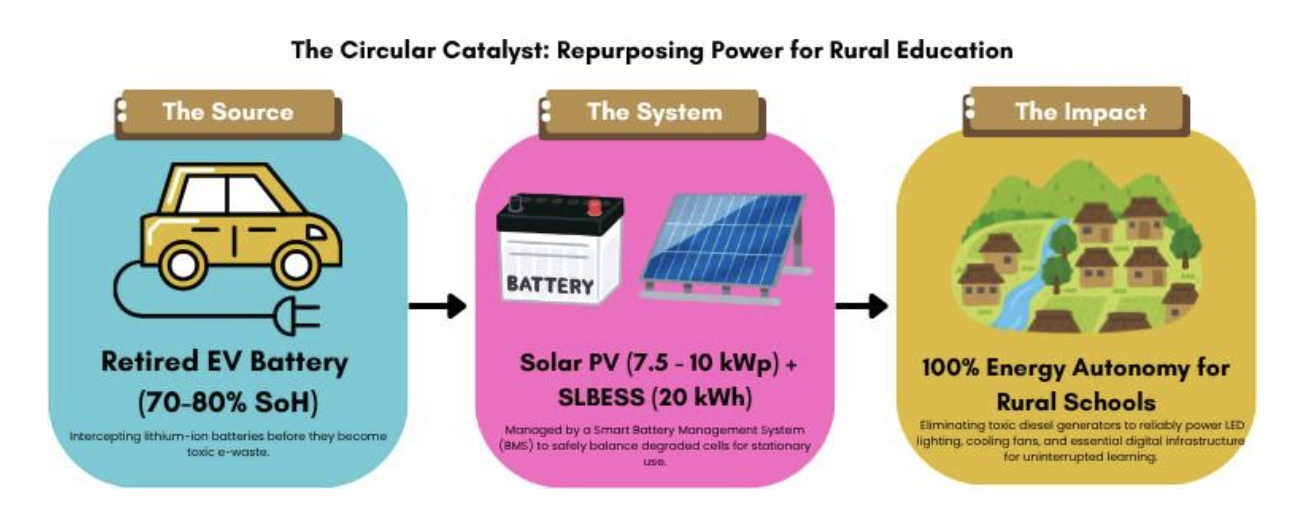
This is the foundation of the Second-Life Battery Energy Storage System (SLBESS) model proposed here. A groundbreaking 2023 study published in Nature's Scientific Reports, which evaluated second-life battery systems across 12 East African schools, found that pairing solar photovoltaics with second-life lithium-ion battery storage successfully reduced the levelized cost of electricity by up to 35.3% compared to equivalent systems using brand-new batteries. The payback period was also shortened by up to 42.9%. These are not theoretical numbers. They come from real schools, in real rural communities, facing the exact same challenge as Indonesia's forgotten classrooms.
The proposed blueprint for Indonesian rural schools adapts this evidence directly. A system combining a solar panel array of 7.5 to 10 kWp with a 20 kWh second-life battery storage unit, managed by a smart Battery Management System (BMS) to safely balance the degraded cells, can deliver full energy autonomy for a typical school day. A separate techno-economic study from Frontiers in Energy Research recorded that a rural primary school in Bangladesh operating fans and LED lighting averaged just 8.35 kWh of energy consumption per day. Indonesian rural schools running ANBK examinations, which require computers and basic digital infrastructure, would fall within a comparable range. This means the SLBESS model is not oversized or speculative. It is precisely calibrated to meet the real need, while eliminating the diesel generator entirely.
The Circular Economy in Action
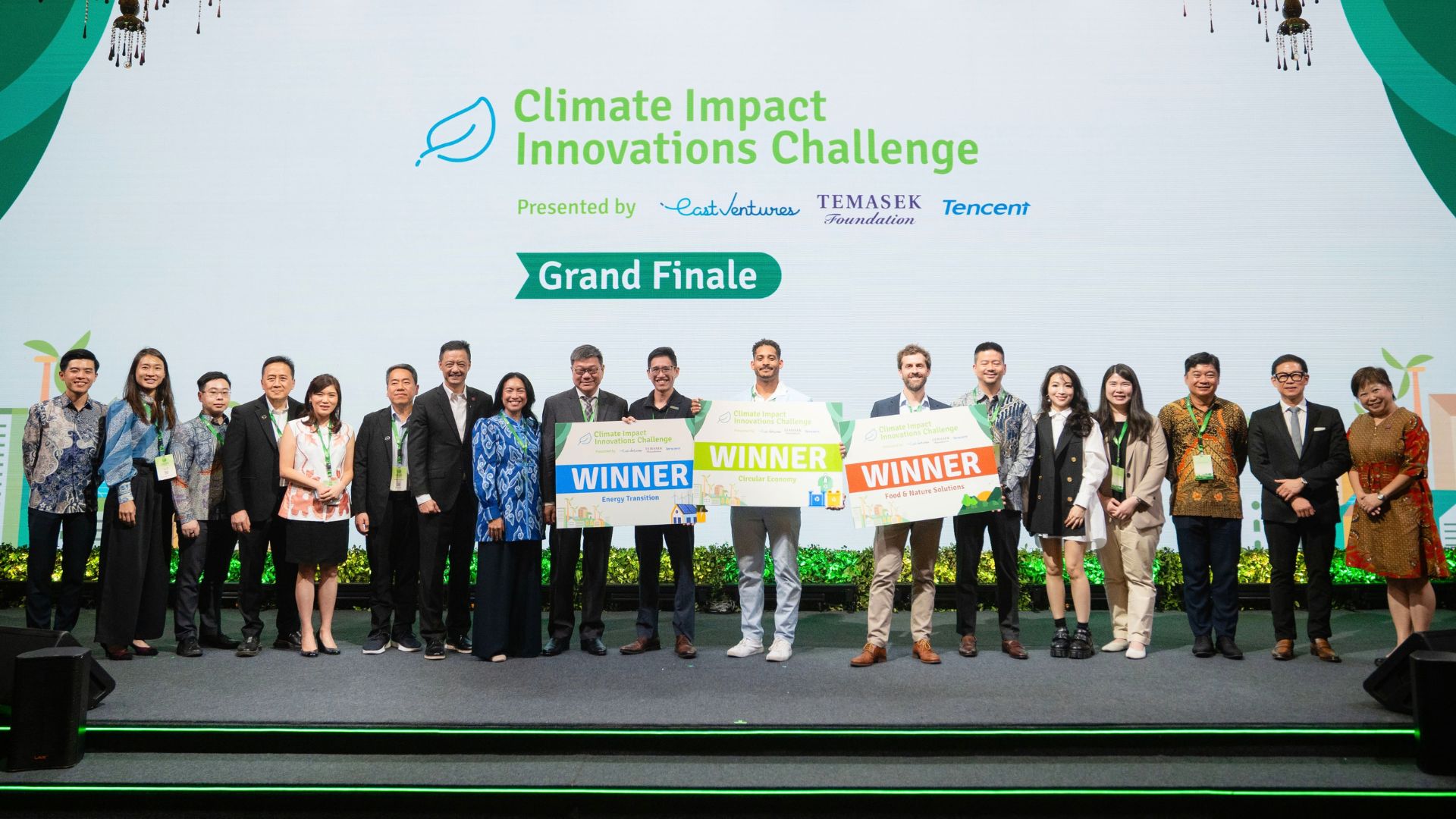
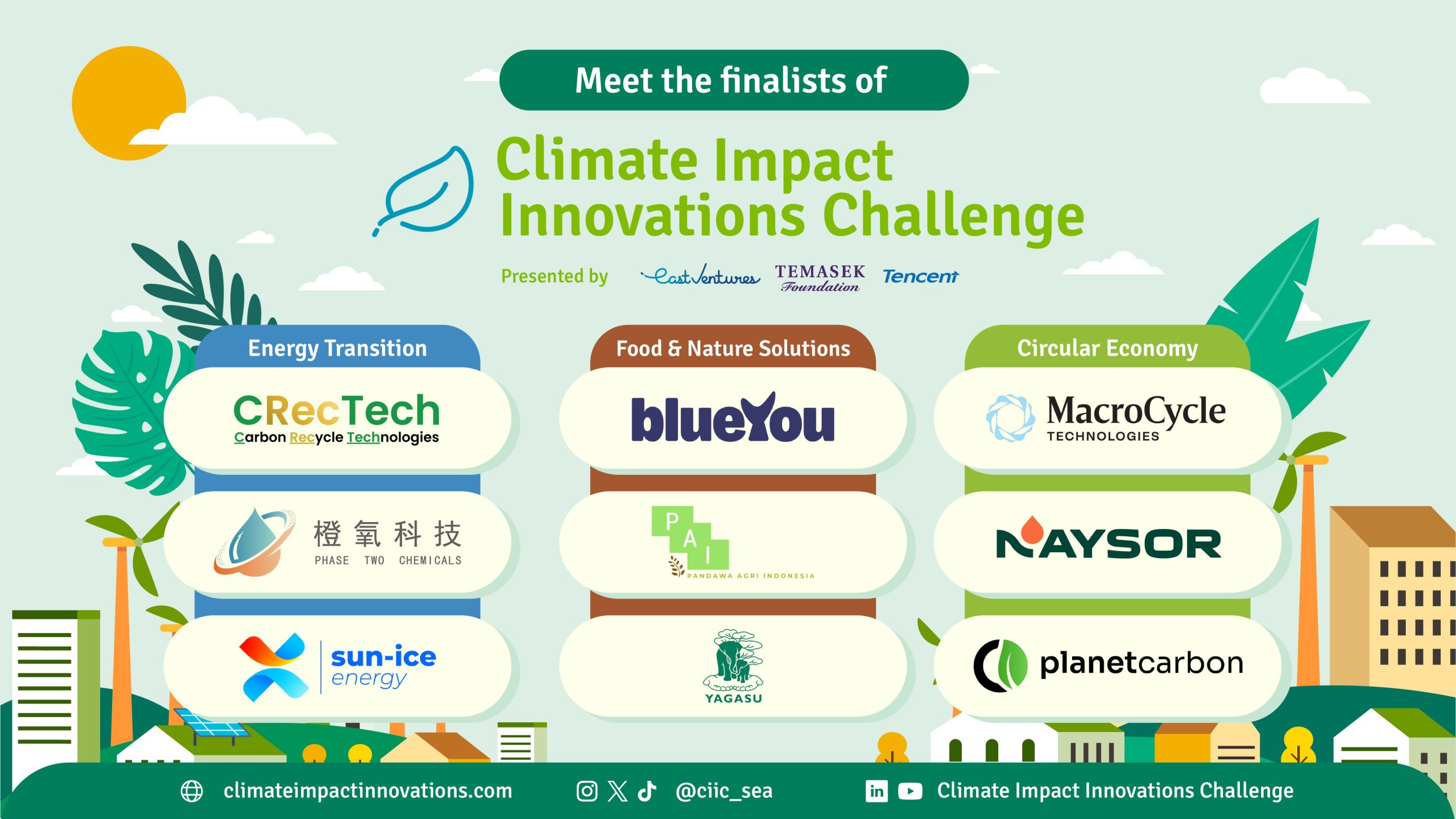
The SLBESS model is precisely the kind of solution that the Climate Impact Innovations Challenge (CIIC) 2026 was created to champion. Organized by East Ventures, Temasek Foundation, and Tencent, CIIC 2026 is Indonesia's largest climate technology competition to pilot solutions that address the country's most urgent environmental challenges. This year's Circular Economy track calls specifically for innovations that promote waste circularity, improve community health, and significantly reduce greenhouse gas emissions. The SLBESS model answers every one of these criteria simultaneously.
By intercepting retired EV batteries before they enter landfills, the model directly prevents hazardous e-waste pollution. By delivering reliable, clean electricity to rural schools, it improves the quality of life and educational outcomes in underserved communities. And by displacing diesel generators entirely, it eliminates a direct source of carbon emissions at the grassroots level. This is not a solution that addresses one problem at a time. It is a circular system that closes two loops at once: the waste loop of the EV industry, and the energy poverty loop of rural Indonesia.
The CIIC 2026 theme, Sustainable Impact for Tomorrow, captures exactly what the Circular Catalyst Model aspires to achieve. Sustainability is not just about reducing harm. It is about redesigning systems so that what was once considered waste becomes the foundation of opportunity. A retired battery that would have poisoned a riverbed instead keeps a classroom lit. Every rural school electrified by a second-life battery becomes proof that circular thinking can deliver real, tangible opportunity to communities that need it most. That is the transformative power of circular thinking, and it is precisely the mission that CIIC 2026 exists to accelerate.
Daffa Naufal is a runner-up of the Climate Impact Innovations Challenge 2026 Article Competition.