Indonesia’s Grid Fragmentation: Why HVDC Transmission Is The Key to Clean Energy Transition
July 3, 2026
Repurposing EV Batteries to Eradicate Energy Poverty in Rural Schools
July 5, 2026
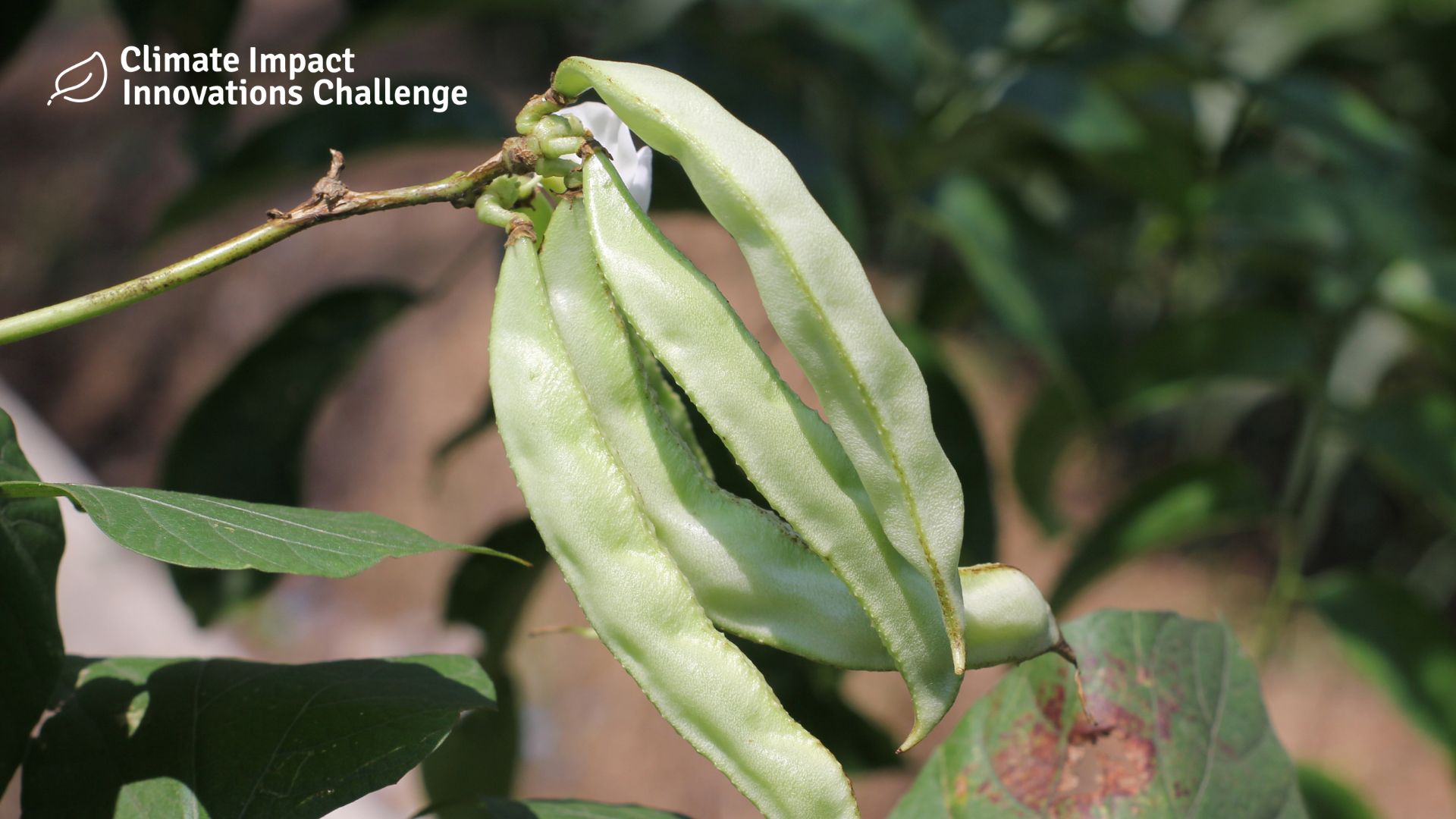
From Our Own Soil: How the Koro Bean Could Answer Indonesia’s Nutrition Crisis
Written by Ignatia Syalom Lumonang
What if a single, long-overlooked local crop could help address malnutrition, reduce import dependency, restore soil health, and support local farmers all at once?
That question feels deeply relevant when we look at Indonesia’s food landscape today. This country is home to one of the richest biodiversities on the planet. Its soil is fertile. Its farmers are resilient. Yet in 2022, 17.1 % of Indonesian children under five were undernourished, while approximately 9 to 10 % of adults suffered from Chronic Energy Deficiency. This is not a paradox of nature. It is a paradox of choice.
The Problem: A Nutrition Crisis Hiding Behind Abundance
The root of the problem is not poverty alone. It is dependency. According to Ruccy (2022), approximately 40.42 % of Indonesia’s dairy needs are still met through imports, pushing prices beyond the reach of many households. An estimated 60 to 70 % of Indonesians also experience lactose intolerance, meaning conventional dairy is both financially and biologically unsuitable for many. Millions face not one barrier, but two.
Meanwhile, underutilized crops grow quietly in Indonesian fields. The sword bean, or kacang koro pedang, is one of them. Every 100 grams of koro contains 27.4 grams of protein and just
2.9 grams of fat, nearly on par with soy but at a lower cost. Unlike soy, which operates within a well-established supply chain, koro remains largely untapped, opening fresh opportunities for farmers and greater diversification of the national protein supply.
Untapped Potential: Koro and Nature-Positive Agriculture
Koro is more than a protein source. As a legume, it forms a symbiosis with Rhizobium bacteria in its root nodules, drawing nitrogen from the air and converting it into natural soil nutrients. Ratri, Zamroni, and Purwanto (2025) documented that koro can produce up to 21.8 tons of biomass per hectare, enriching soil fertility without chemical fertilizers. In the context of the global push toward regenerative agriculture, koro is exactly the kind of nature-positive solution the world needs.
This crop is not new to Indonesian farmers. In West Java, regions like Garut, Sumedang, and the Greater Bandung area have long cultivated it. In Central Java, areas like Purworejo, Blora, and Temanggung share the same tradition. The production base is there. The farmers are there.
What is missing is a serious market and a processing system that elevates koro to the value it deserves.
The main barrier has been the presence of cyanogenic glycosides in raw koro beans, which can produce hydrogen cyanide when hydrolyzed. Nursalma, Setyowati, and Sitasari (2021) noted that proper processing is key: soak for 48 hours with regular water changes, then boil at 100 degrees Celsius. The challenge is not technical. It is the lack of willingness to try.
The Solution: Koruma, a Circular Local Food System
That is where Koruma comes in. Koruma is a circular food innovation that processes koro beans into two products: Koruma Milk, a lactose-free plant-based beverage, and Koruma Bar, a nutritious snack made entirely from the by-products of koro milk processing.
After koro is processed into milk, the remaining pulp retains 7.34 to 9.98 % dietary fiber. Rather than discarding it, the pulp becomes Koruma Bar alongside oats, chia seeds, sunflower seeds, pumpkin seeds, raisins, cashews, and local coconut sugar. Cashews were chosen deliberately, as Indonesia ranks among the world’s top three producers, ensuring every ingredient stays local. Nothing goes to waste.
Together, these products offer a comprehensive nutritional package made entirely from local ingredients. On the environmental side, plant-based milk generates 70 to 80 % fewer greenhouse gas emissions than conventional dairy and requires only 28 to 48 liters of water per liter, compared to approximately 628 liters for cow’s milk. With a fully local supply chain, the cost stays accessible to those who need it most.
From the Field to the Hands of Indonesia’s Children
Koruma is not just about the product. It is about who benefits. Across Indonesia, hundreds of thousands of Posyandu health posts serve as monthly gathering points for mothers, children, and healthcare workers. The foods distributed there are largely import-dependent. Koruma Milk and Koruma Bar offer a locally grounded alternative that supports protein and fiber intake for vulnerable groups, especially children.
Picture a child at a Posyandu in Garut receiving Koruma Milk, a drink whose protein comes from koro beans cultivated by farmers in the same village. Behind every sip: a farmer with a livelihood, waste that does not go to landfill, and a planet less burdened. As demand grows, farmers in Garut, Sumedang, Purworejo, and beyond gain real economic opportunity. If adopted at scale, Koruma could improve nutritional access, strengthen local value chains, and reduce food production’s environmental footprint simultaneously.
Aligned with the Mission of CIIC 2026
Koruma directly aligns with the mission of the Climate Impact Innovations Challenge 2026 under the Food and Nature Solutions track, which calls for evidence-based, high-impact innovations. Koruma does exactly that: harnessing local crops, applying circular production, reducing waste, restoring soil health, and addressing nutrition all at once.
Closing: The Answer Grows in Our Own Soil
Indonesia already has everything it needs. The challenge is no longer finding the resources. It is finding the courage to use them. The koro bean has been growing here for a long time. It is time we gave it the chance to grow into part of the solution.
Ignatia Syalom Lumonang is a runner-up of the Climate Impact Innovations Challenge 2026 Article Competition.