Seawater-Based Electrochemical Technology for Carbon Capture and Circular Economy in Indonesia
July 2, 2026
From Our Own Soil: How the Koro Bean Could Answer Indonesia’s Nutrition Crisis
July 4, 2026
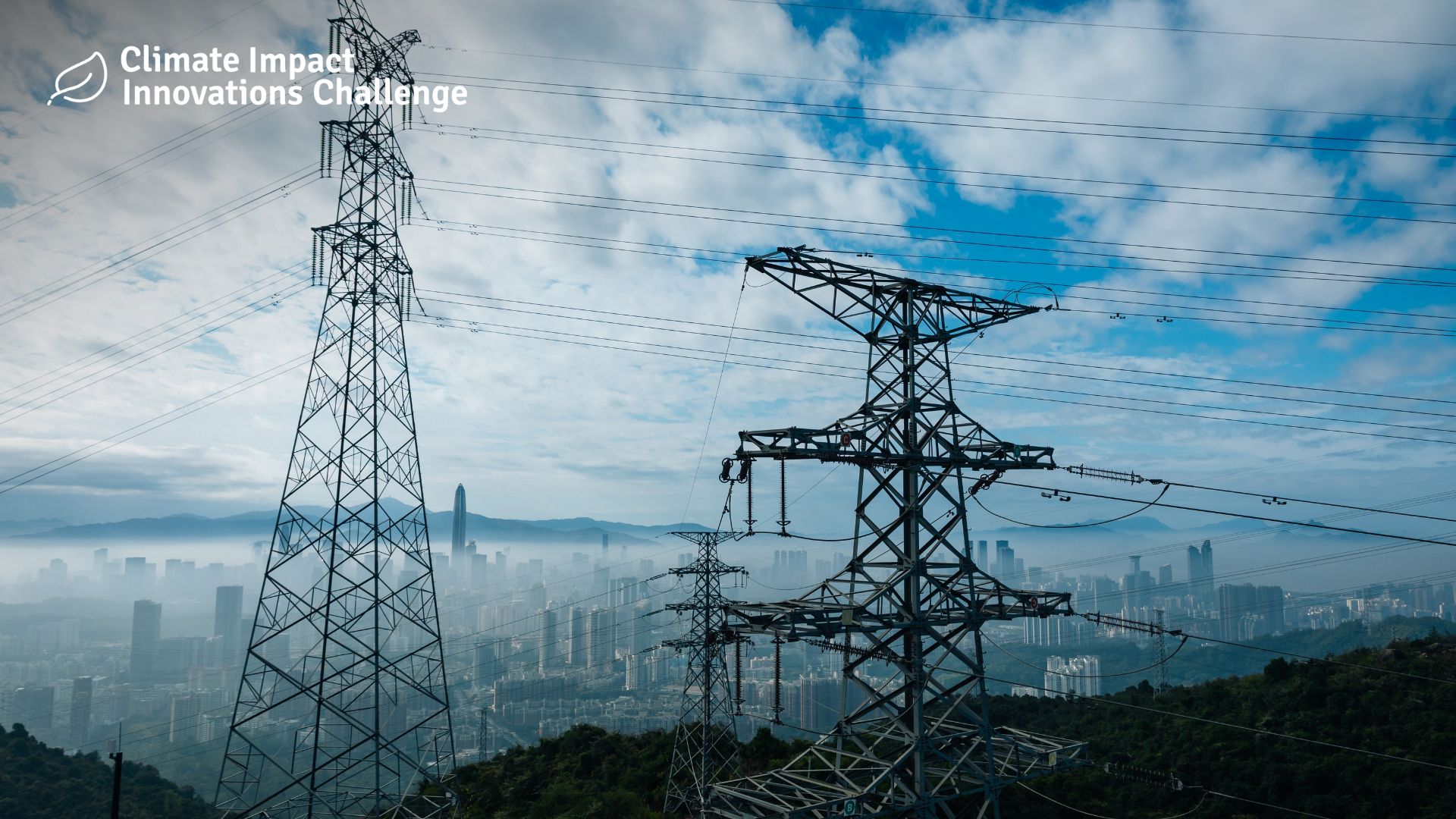
Indonesia’s Grid Fragmentation: Why HVDC Transmission Is The Key to Clean Energy Transition
Written by Evelyn Tanzil
What if your country was sitting on one of the largest renewable energy reserves in the world, but could not figure out how to use it? This is the situation Indonesia finds itself in today. With over 3.600 GW of solar capacity, 60 GW of wind potential, and 24 GW of geothermal reserves, Indonesia’s clean energy resources are extraordinary. Yet the majority of this potential remains inaccessible, not because the technology does not exist, but because the islands that hold these resources have no way to share their energy with the rest of the country.
A Fragmented Grid in a Fragmented Nation
Indonesia is an archipelago of over 17,000 islands. The primary transmission network covering Java, Bali, and Sumatra supplies approximately 75% of national electricity demand. Beyond this core corridor, however, more than 600 isolated micro-grids operate independently with limited capacity and persistent reliability issues.
Eastern Indonesia, including provinces such as Nusa Tenggara, Maluku, and Papua, holds disproportionately high renewable energy potential relative to the rest of the country. East Nusa Tenggara alone has theoretical solar generation capacity exceeding 338 gigawatts, and West Papua contains substantial untapped hydroelectric and geothermal reserves. Despite this, these same regions experience the most frequent power outages and the highest electricity costs in the country. The problem is not a lack of energy resources. It is the structural inability to transmit locally generated power beyond island boundaries.
These renewable-energy-rich areas remain “energy-poor” because without inter-island transmission cables, the energy they produce cannot leave the island, and without the ability to export, large-scale renewable projects can never get built. A solar farm on Sumba has no way to send power to Surabaya or even to the next district. Instead of using clean, local resources, these isolated micro-grids rely on small diesel power plants (PLTD). Diesel must be shipped across the ocean, which is expensive, polluting, and prone to supply disruptions. That is why, according to Indonesia’s state utility PLN, the cost of electricity in eastern islands ranges from 3,400 to 4,700 Rupiah per kilowatt-hour, nearly four times the Java rate of just 1,240 Rupiah. Carbon emissions from these isolated grids are disproportionately high, and because no private investor can secure a long-term power purchase agreement without transmission access, renewable projects stall before they break ground. We are not missing technology or natural resources. We are missing the cables that can tie our archipelago together.
A Smarter Way to Connect the Islands
Building direct submarine cables between every pair of islands would cost over 46.5 billion rupiah per kilometer, which is simply not realistic for a developing economy. A more viable alternative is a modular subsea High Voltage Direct Current (HVDC) Power Hub and Spoke network, which could reduce per-kilometer costs by approximately 60% while connecting multiple island communities simultaneously.
Here is how it works. First, we identify three strategic power hub islands, each rich in renewable resources and centrally located, which are Sulawesi (geothermal and hydro), West Papua (hydro and solar), and East Nusa Tenggara (solar and wind). Each hub hosts a large renewable energy park (500 MW to 1 GW) plus a floating HVDC converter station anchored just offshore. From each hub, we lay a primary subsea backbone cable to a major demand center, for example, a 1,500 MW cable from Sulawesi to East Java, or a 1,000 MW cable from West Papua to Makassar.
Instead of building separate cables for every small island, we use standardized, pre-fabricated branch connectors that tap into the main backbone. Secondary islands like Timor, Sumba, Buru, and Ternate connect to the nearest hub with shorter, cheaper subsea links. This hub-and-spoke model means that one major backbone cable can serve ten or fifteen smaller islands simultaneously, sharing costs across multiple beneficiaries.
Similar radial HVDC networks are already operating. The North Sea’s offshore wind farms use hub-and-spoke designs to connect multiple countries. China’s Zhangbei project links solar, wind, and storage across a wide area with HVDC. And Indonesia’s undersea topography, shallow Java Sea channels and predictable deep basins in the east, is actually ideal for cable laying, with average depths under 1,000 meters. Modern transformer-less modular multilevel converters (MMCs) keep transmission losses below 2% per 1,000 kilometers.
Financially, the system can be built in phases. By pooling cable routes and using shared trenches, we bring per-island connection costs down to under 15.5 billion Rupiah per kilometer, competitive with extending diesel supply chains indefinitely.
- Phase 1: 500 MW Sulawesi-Java backbone.
Estimated cost: 12.4 trillion Rupiah. Funded by green bonds and multilateral climate finance (e.g., Asian Development Bank’s Energy Transition Mechanism).
- Phase 2: Spokes to Nusa Tenggara.
Estimated cost: 4.7 trillion Rupiah. Paid for by carbon credits from retiring diesel plants.
- Phase 3: West Papua to Makassar backbone.
Estimated cost: 7.8 trillion Rupiah. Underwritten by a public-private partnership with PLN.
With this solution, Eastern Indonesia could cut diesel consumption by 80% within a decade, avoiding 12 million tons of CO2 annually, equivalent to retiring four coal plants. And at 1,550 Rupiah per kWh delivered (including transmission), the system would already be cheaper than diesel power, saving households and businesses billions of rupiah every year.
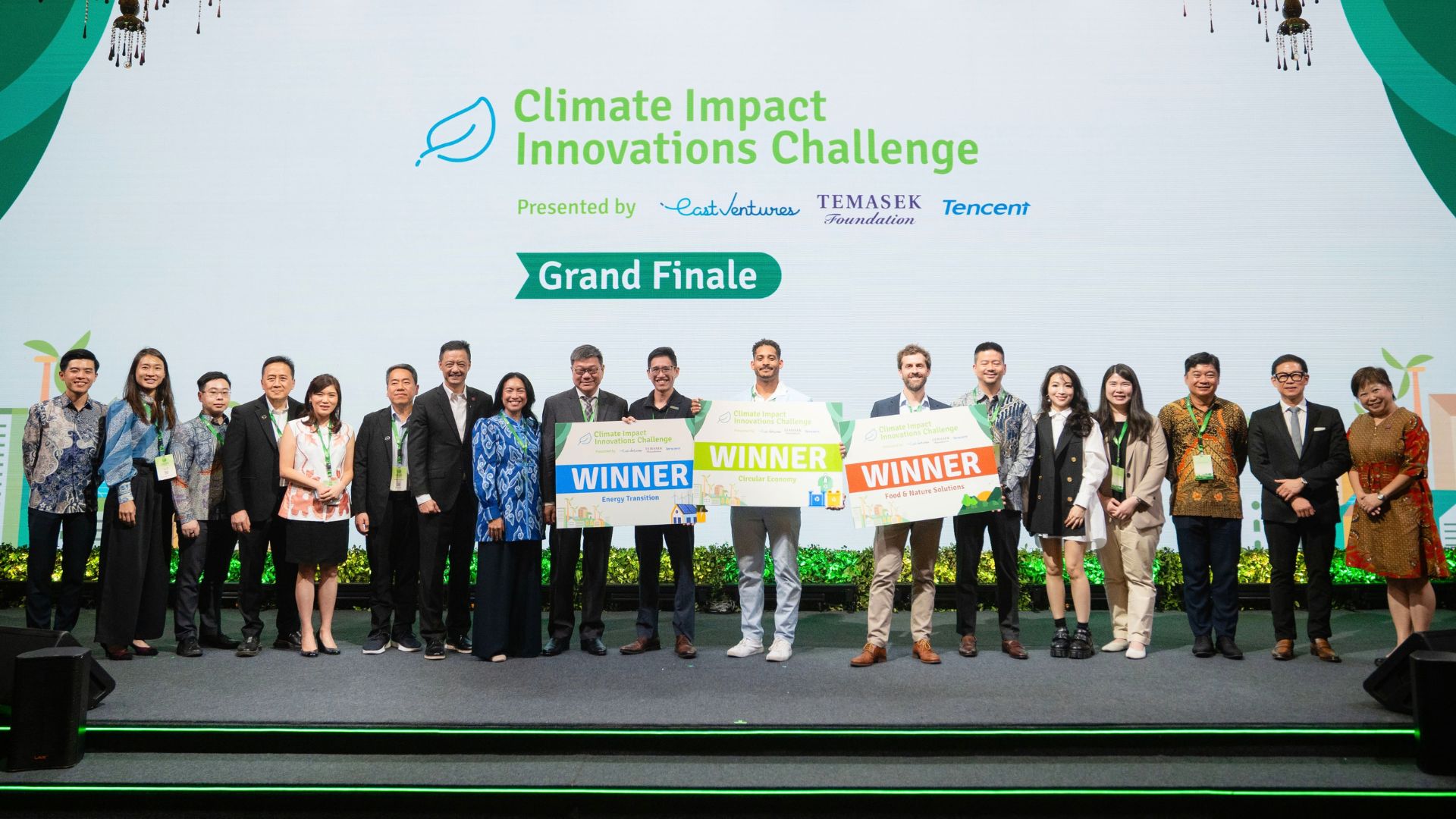
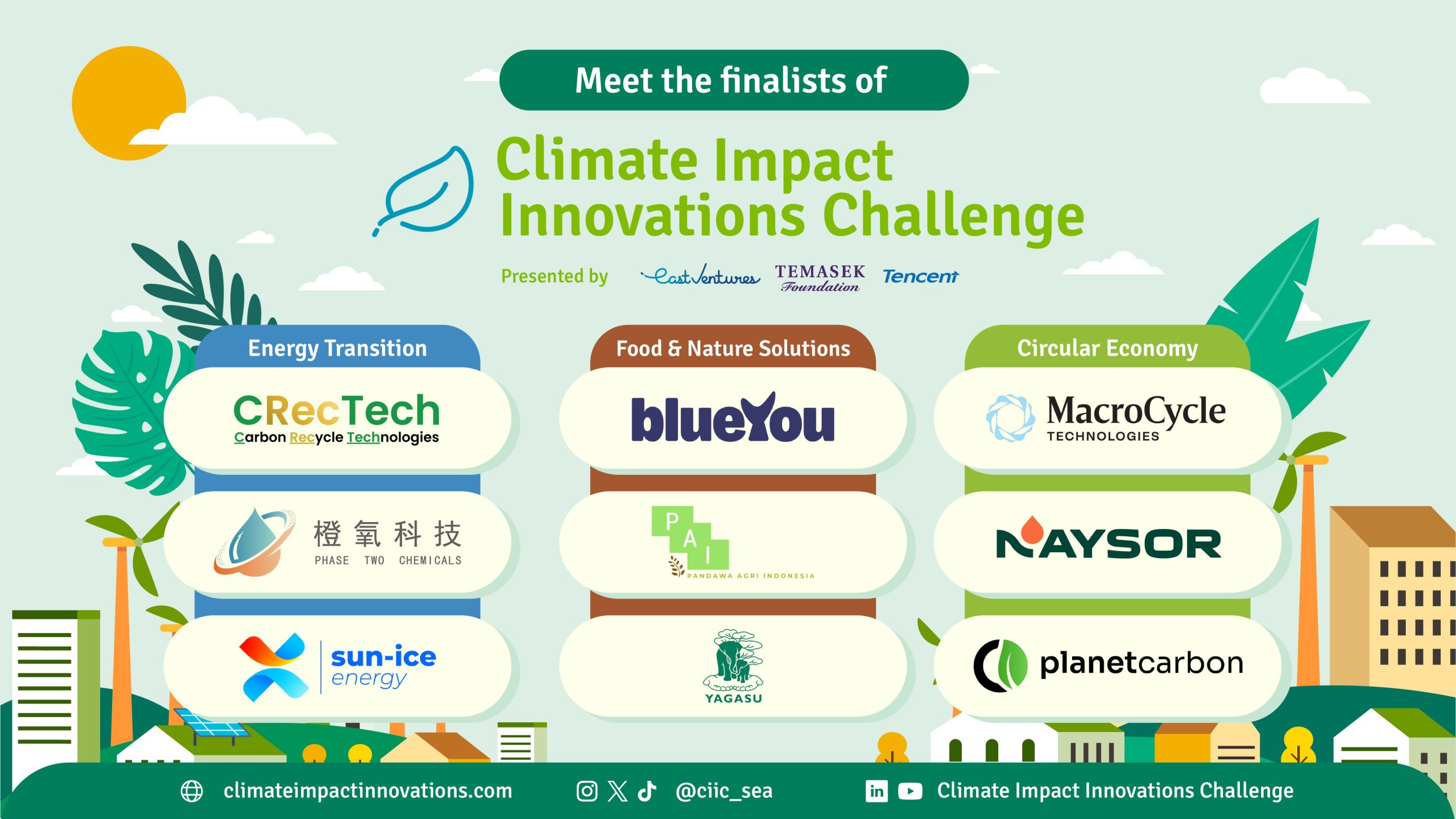
Indonesia's renewable energy challenge is not about a lack of resources or technology. It is about transmission infrastructure and the will to build it. The Climate Impact Innovations Challenge 2026 calls for ideas that accelerate renewable energy adoption and make clean energy transitions inclusive and equitable. This HVDC Hub and Spoke proposal directly answers that call. The communities most burdened by unreliable and expensive electricity are, in many cases, situated in regions with the greatest renewable energy potential. A phased, evidence-based transmission network is the mechanism to bridge that gap. The decisions made in the next few years will determine whether Indonesia's renewable potential is realized, or whether it remains, like so many of its islands, stranded and out of reach.
Evelyn Tanzil is a runner-up of the Climate Impact Innovations Challenge 2026 Article Competition.