July 9, 2026

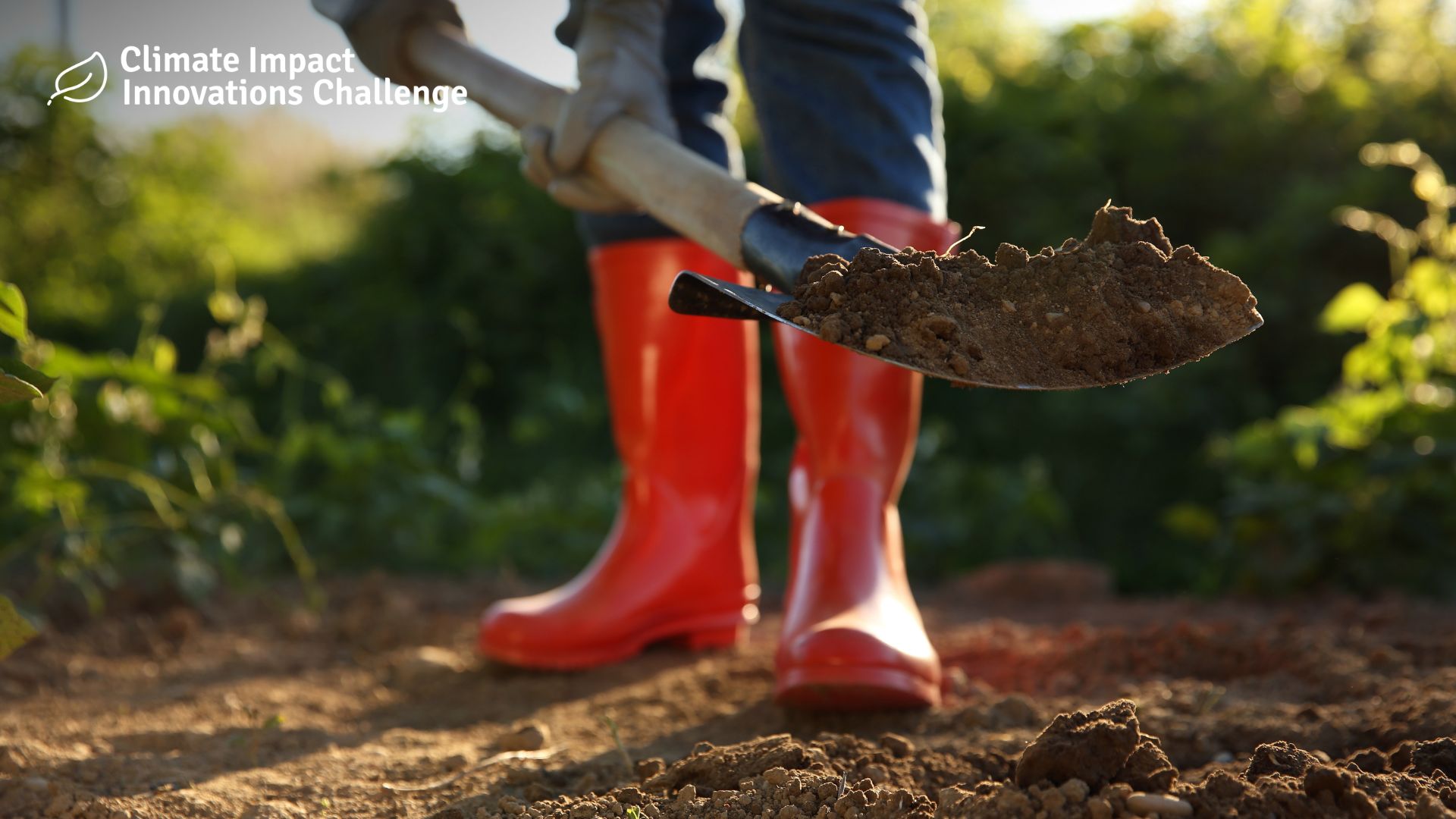
One Soil Does Not Fit All: Reimagining Soil Restoration for an Unpredictable Climate

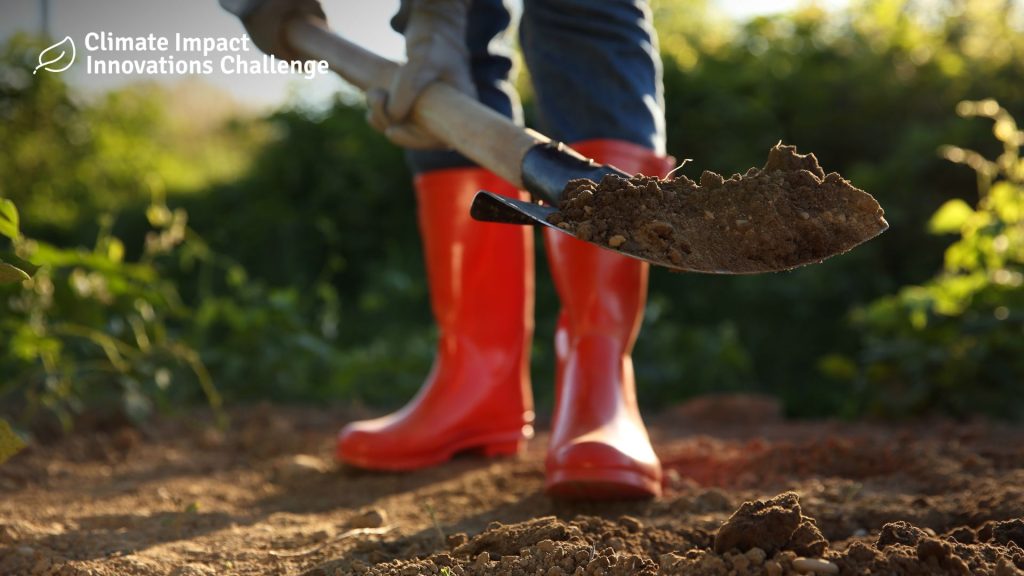
Soil degradation is no longer merely an environmental issue. Today, up to 40% of the world's land is already degraded, affecting more than three billion people and costing the global economy US$878 billion annually. In Southeast Asia alone, nearly 22% of land has experienced degradation, threatening the foundation of regional food production. Climate change is making this challenge increasingly difficult to manage.
July 7, 2026

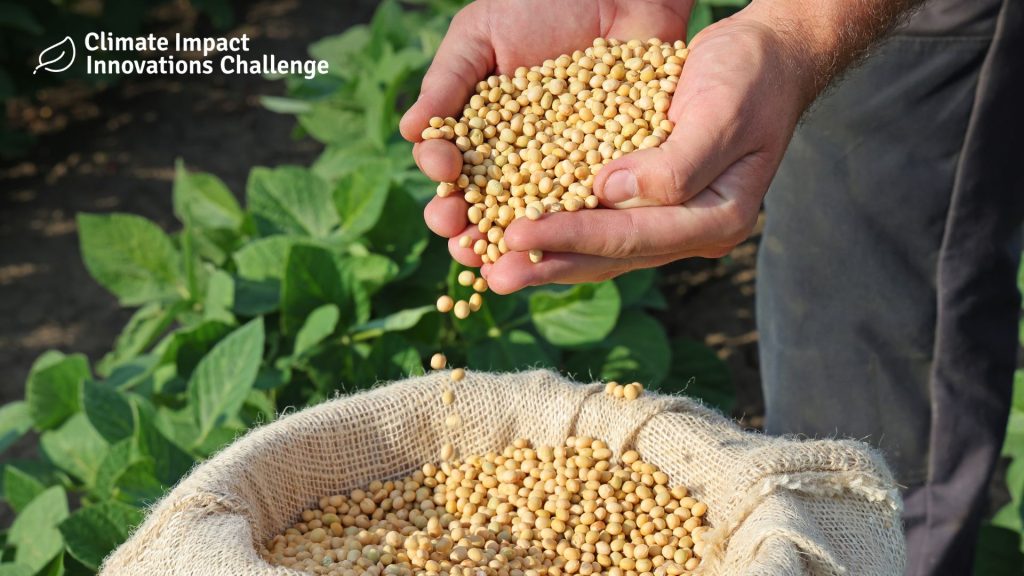
Sustainable Food Innovation: Local Protein Substitution and Natural Preservation for Climate Food Security

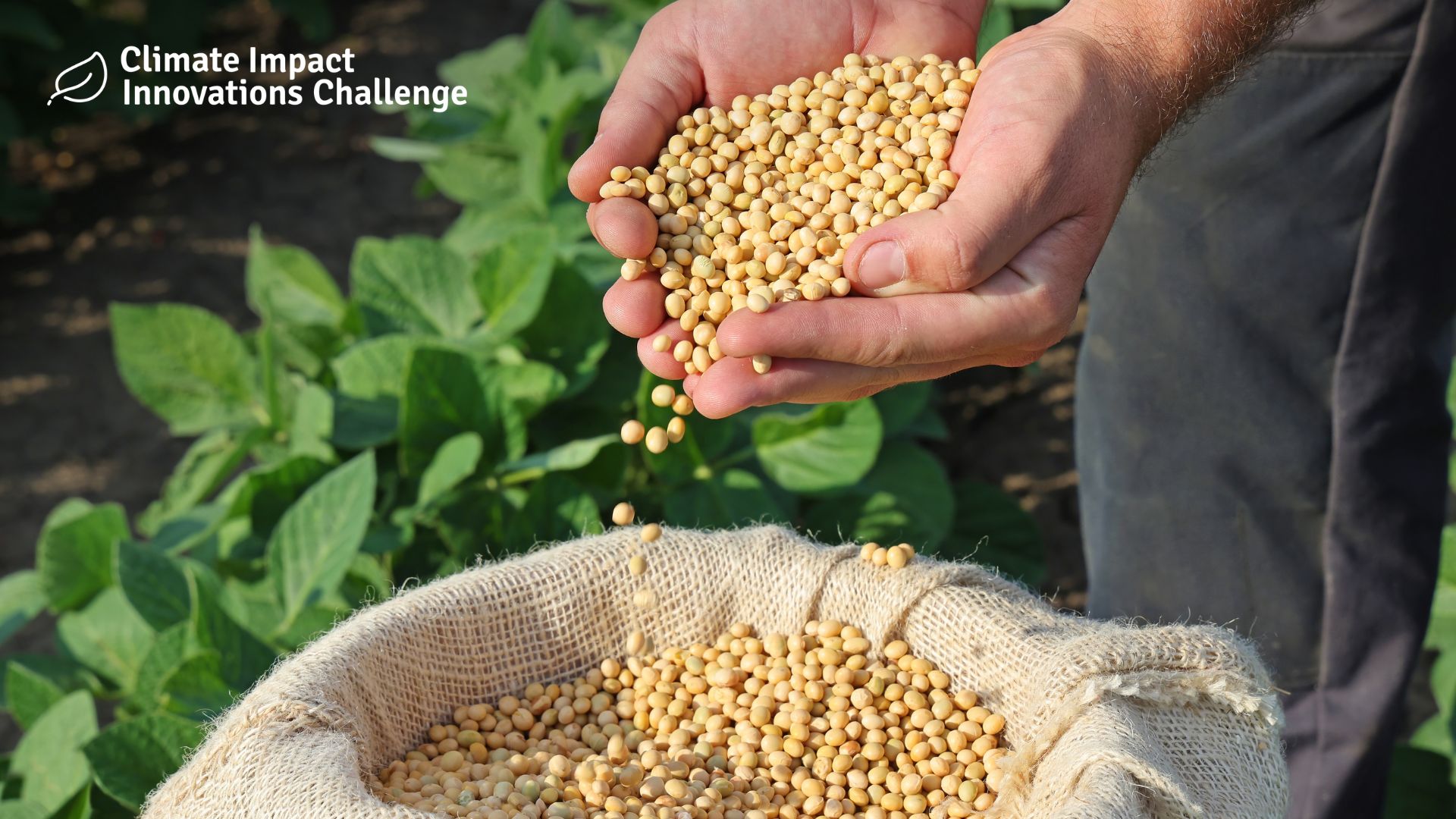
Climate change poses one of the most pressing threats to global food security. Fluctuating crop yields, disrupted supply chains, and increasing pressure from pests and plant diseases are becoming everyday realities for smallholder farmers across tropical nations. Yet the food system itself is a major contributor to the very crisis it suffers from: the livestock sector alone accounts for 14.5% of global anthropogenic greenhouse gas (GHG) emissions, with cattle contributing 65% of that total.
July 6, 2026

Carbon-Financed Governance Reform to Unlock the World’s Largest Geothermal Reserve in Indonesia

Indonesia possesses approximately 23,690 MW of identified geothermal resources across 368 prospect areas, representing nearly 40% of global geothermal potential. Yet by 2023, only 2,653 MW or around 11% had been installed. The government targets 22.7 GW by 2060, with geothermal expected to contribute 178 TWh or 9.2% of the national energy mix (Dobson et al., 2025). At current deployment rates, this target remains unlikely.
April 26, 2024

Learning from MAKA Motors: Building a viable energy transition business in Indonesia

With rapid urbanization and economic growth in Southeast Asia (SEA), the demand for energy transition is surging. This steers the region toward renewable energy sources, as countries look to diversify their energy mix and reduce their reliance on fossil fuels and their price volatility, ultimately cutting their carbon emissions.