July 9, 2026

One Soil Does Not Fit All: Reimagining Soil Restoration for an Unpredictable Climate

Soil degradation is no longer merely an environmental issue. Today, up to 40% of the world's land is already degraded, affecting more than three billion people and costing the global economy US$878 billion annually. In Southeast Asia alone, nearly 22% of land has experienced degradation, threatening the foundation of regional food production. Climate change is making this challenge increasingly difficult to manage.
July 7, 2026

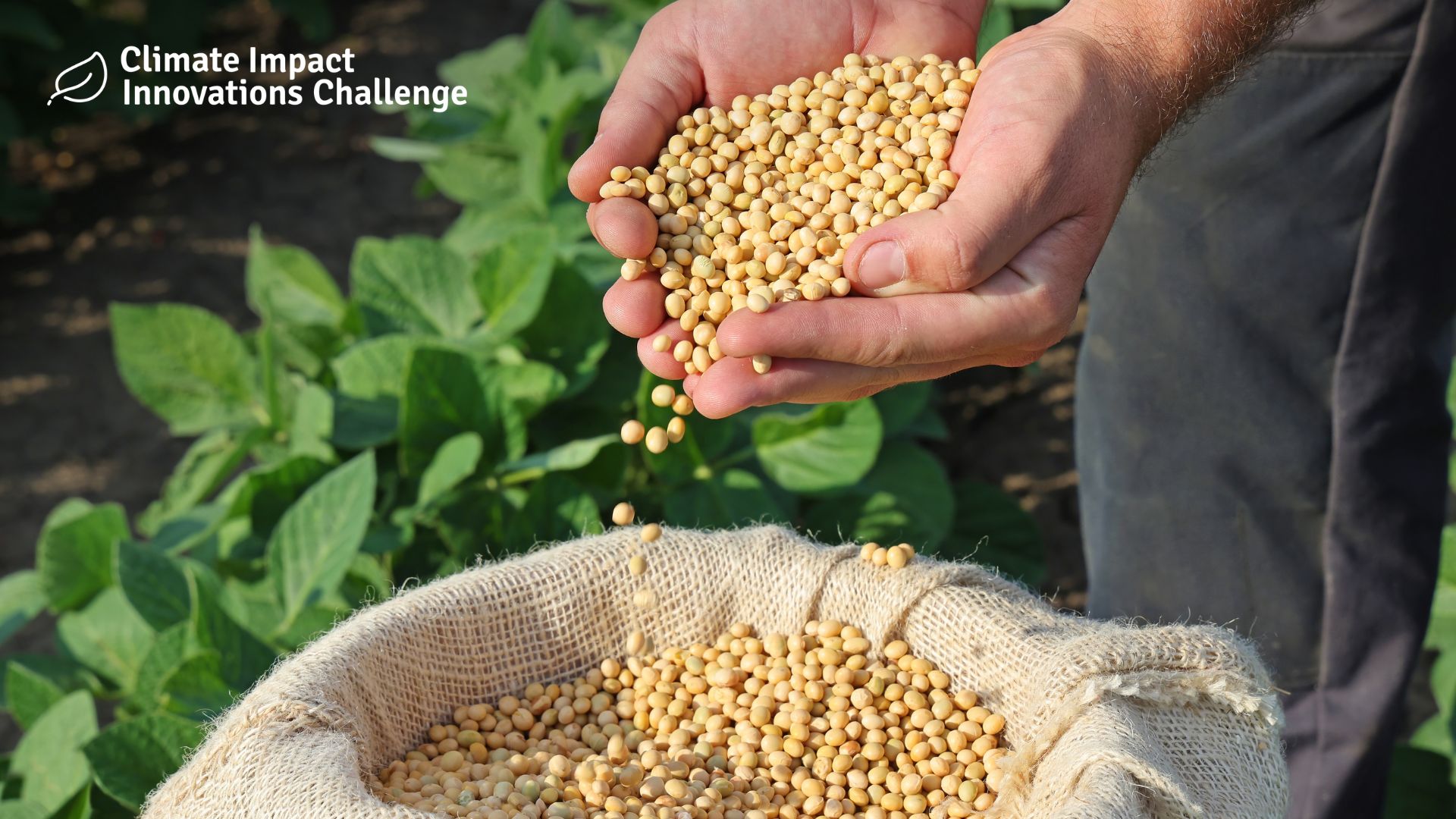
Sustainable Food Innovation: Local Protein Substitution and Natural Preservation for Climate Food Security

Climate change poses one of the most pressing threats to global food security. Fluctuating crop yields, disrupted supply chains, and increasing pressure from pests and plant diseases are becoming everyday realities for smallholder farmers across tropical nations. Yet the food system itself is a major contributor to the very crisis it suffers from: the livestock sector alone accounts for 14.5% of global anthropogenic greenhouse gas (GHG) emissions, with cattle contributing 65% of that total.
July 6, 2026

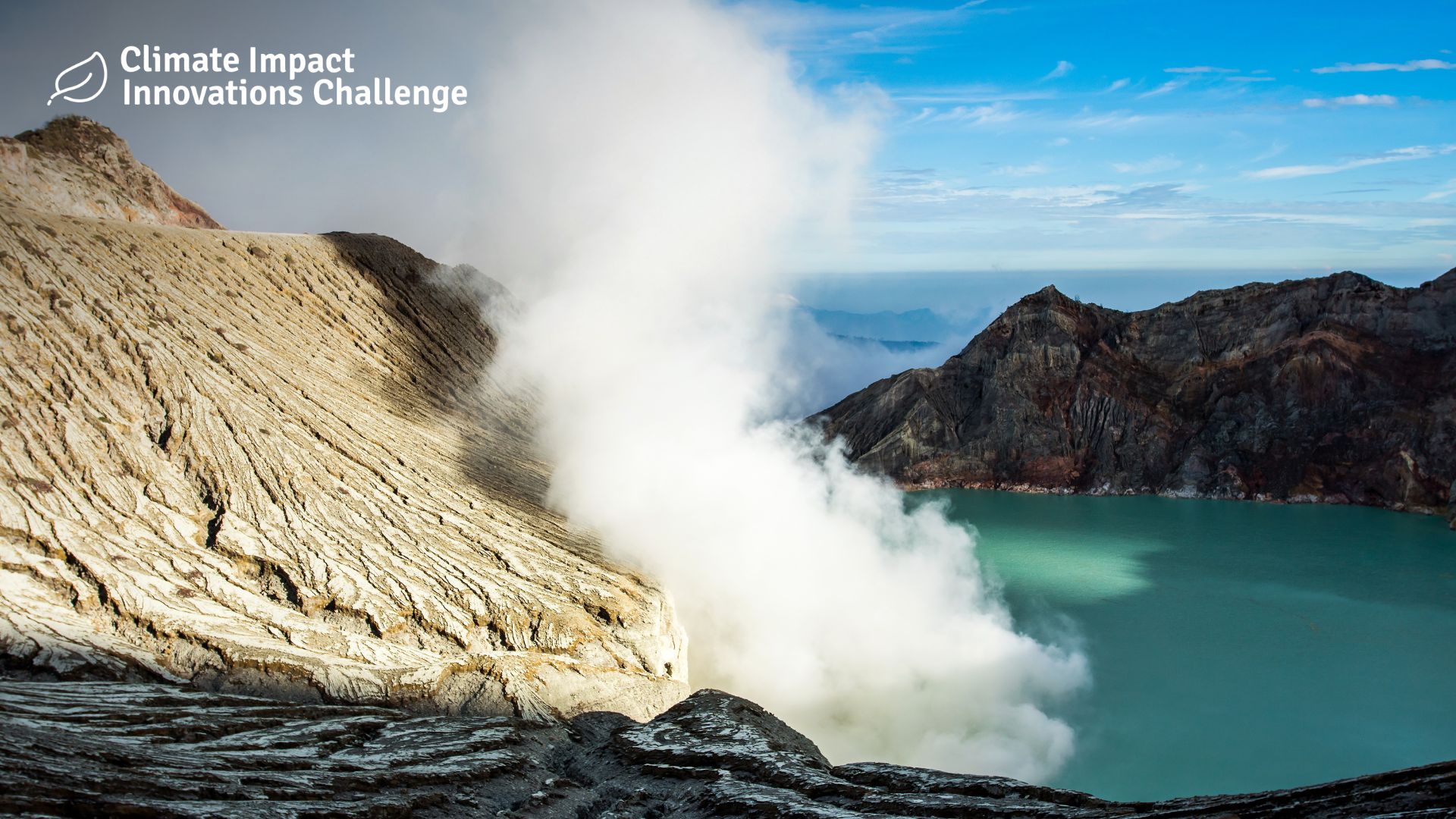
Carbon-Financed Governance Reform to Unlock the World’s Largest Geothermal Reserve in Indonesia

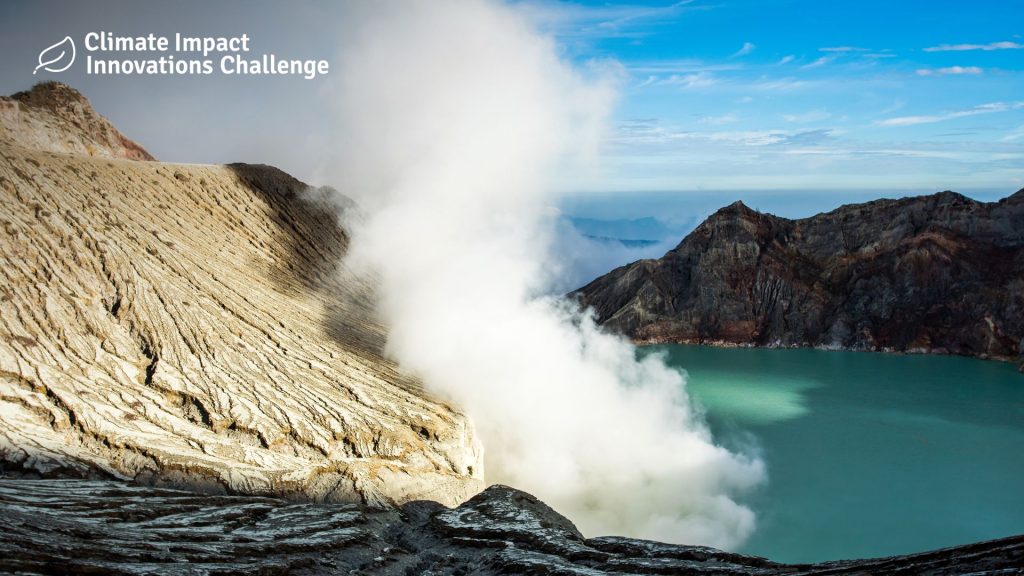
Indonesia possesses approximately 23,690 MW of identified geothermal resources across 368 prospect areas, representing nearly 40% of global geothermal potential. Yet by 2023, only 2,653 MW or around 11% had been installed. The government targets 22.7 GW by 2060, with geothermal expected to contribute 178 TWh or 9.2% of the national energy mix (Dobson et al., 2025). At current deployment rates, this target remains unlikely.
July 4, 2026

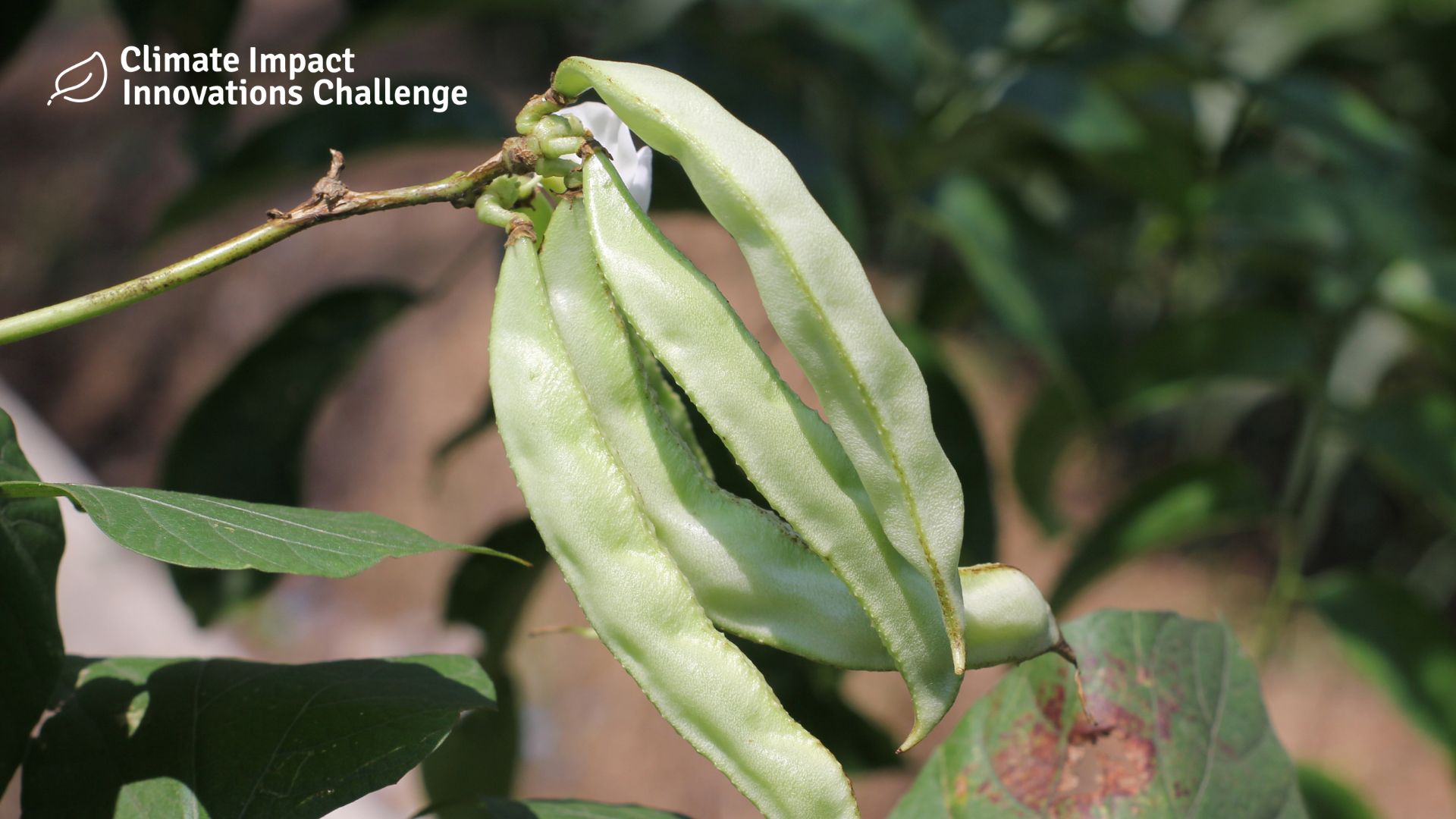
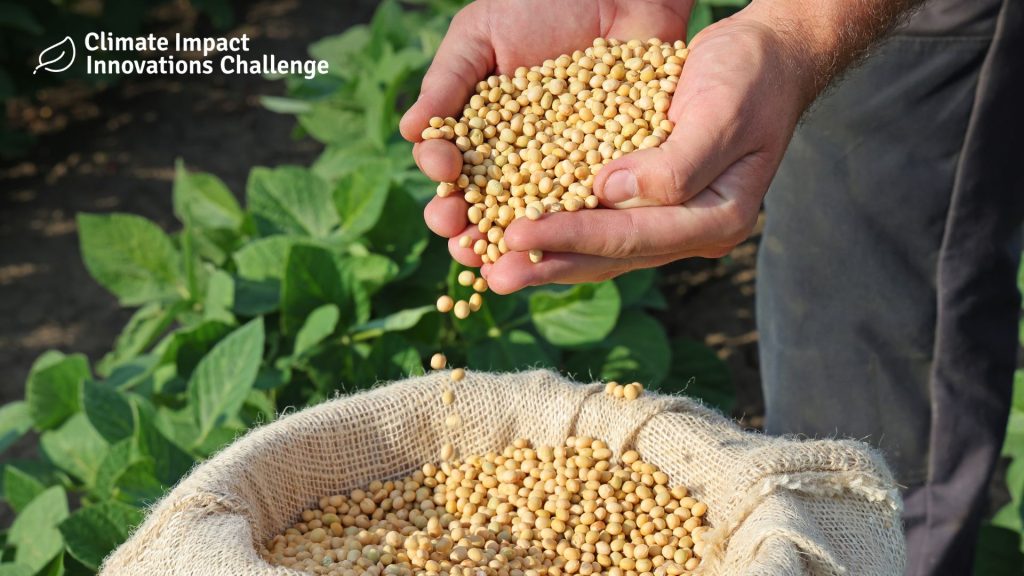
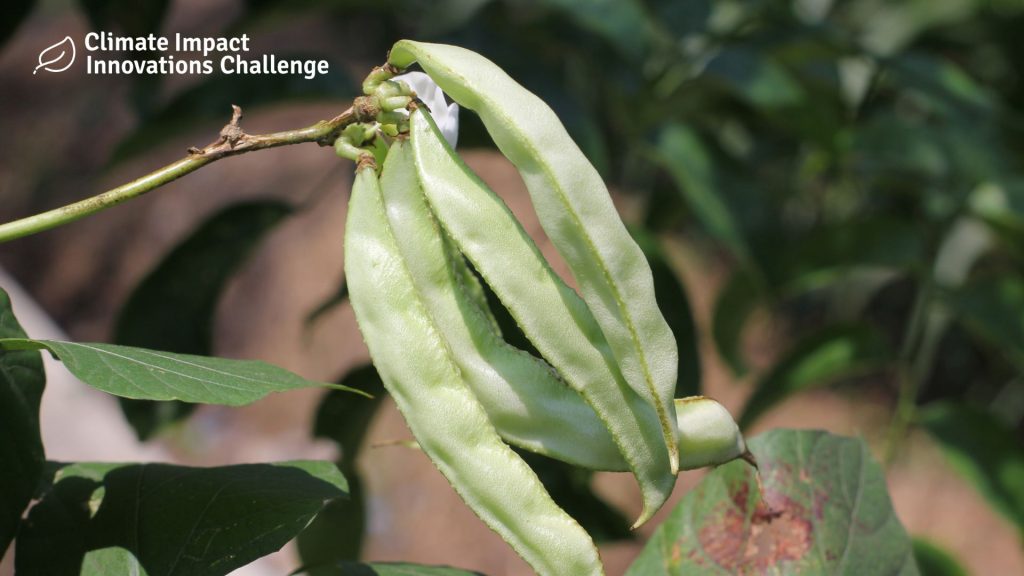
From Our Own Soil: How the Koro Bean Could Answer Indonesia’s Nutrition Crisis

What if a single, long-overlooked local crop could help address malnutrition, reduce import dependency, restore soil health, and support local farmers all at once? That question feels deeply relevant when we look at Indonesia’s food landscape today.
July 3, 2026

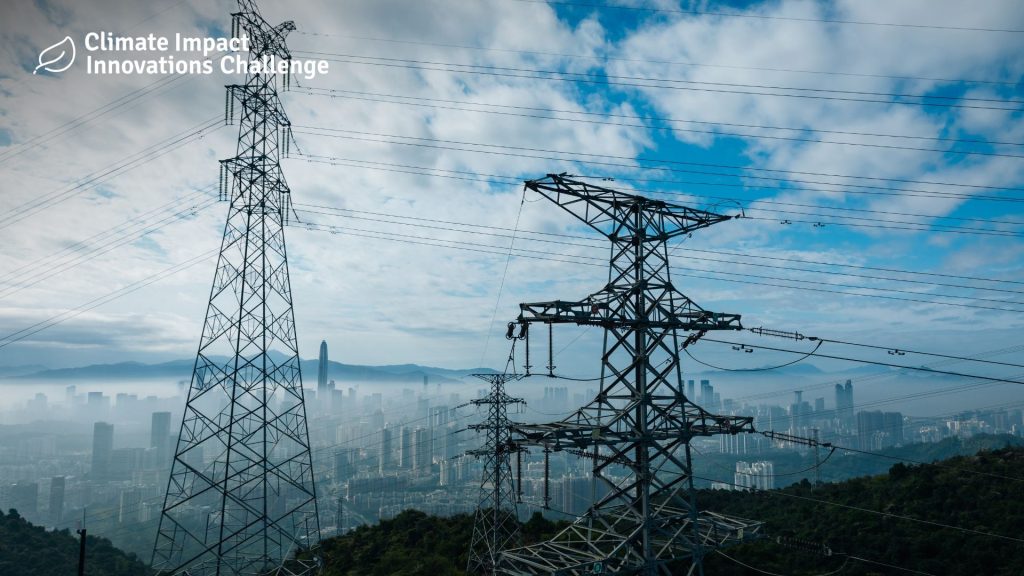
Indonesia’s Grid Fragmentation: Why HVDC Transmission Is The Key to Clean Energy Transition

What if your country was sitting on one of the largest renewable energy reserves in the world, but could not figure out how to use it? This is the situation Indonesia finds itself in today. With over 3.600 GW of solar capacity, 60 GW of wind potential, and 24 GW of geothermal reserves, Indonesia’s clean energy resources are extraordinary.
July 2, 2026

Seawater-Based Electrochemical Technology for Carbon Capture and Circular Economy in Indonesia

Indonesia is currently accelerating its industrial downstreaming program to increase the added value of natural resources. This program aligns with one of the government's missions to process all of the country's raw materials into products with utility value. However, the acceleration of industrialization brings the consequence of a massive increase in carbon dioxide (CO₂) emissions.
July 1, 2026

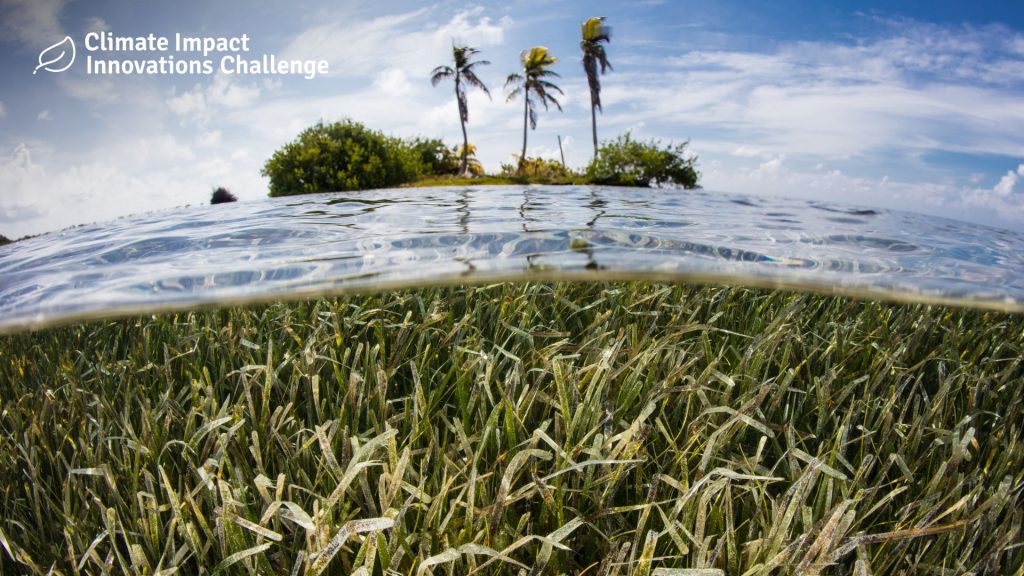
SEABLOCK-BIO: The Green Revolution in Restoring Indonesia’s Seagrass Meadows

As one of the world's largest maritime nations, Indonesia produces more than 137,000 tons of shellfish annually. However, the economic value extracted from shellfish largely ends after consumption, leaving behind substantial quantities of discarded shells.